Imagine taking pleasure in a warm, comfy home without the large cost of a brand-new boiler. Updating your heating system can boost thermal performance and indoor comfort while extending the life-span of your present setup. By carrying out an extensive energy audit to assess inefficiencies, enhancing insulation products, and incorporating clever innovation, you can attain remarkable results. In this guide, discover useful strategies for improving your heating performance, from enhancing ductwork to exploring alternative heating sources and heating system design. Dive in to discover how you can transform your space without the inconvenience of a complete overhaul.
Assessing Your Current Heating System and Performing Home Energy Audits
Before upgrading, it is necessary for you to assess your existing heating system and carry out system diagnostics to identify any ineffectiveness that may be costing you as much as $500 each year in wasted energy.
Identifying System Inefficiencies
Begin by computing your system's performance ranking. If it falls listed below 80% AFUE (Yearly Fuel Utilization Efficiency), it may be time to think about a replacement. Next, check your system for any uncommon noises, as these can indicate prospective mechanical problems. If you observe anything unusual, it is a good idea to schedule a professional assessment promptly. Additionally, utilizing a thermal imaging tool, such as the FLIR One ($200), can assist you determine any heat loss around ducts or piping. These scans supply a visual report of energy ineffectiveness, providing important insights into areas that might need repairs or upgrades.By following these actions, you can make a knowledgeable choice relating to whether to repair, replace boiler parts, or update your system.
Understanding Your Heating Needs
Evaluate your heating requires by calculating your home's BTU requirement based upon its square footage; a common home normally needs about 20 BTUs per square foot.
To identify your specific BTU needs, you can apply the formula: Length x Width x Height (in feet) x 20 BTUs. For instance, if your room procedures 15 feet in length, 12 feet in width, Check out this site and 8 feet in height, the calculation would be 15 x 12 x 8 x 20 = 28,800 BTUs.
It is likewise essential to think about elements such as insulation, window size, regional environment, and system compatibility, as these can significantly impact your totals. For more accurate assessments, using online tools like the 'HVAC Load Calculator' can offer tailored outcomes, eventually improving the performance of your property heating system.
Improving Insulation and Sealing
Implementing reliable insulation has the prospective to decrease heating expenses by as much as 20% while enhancing thermal convenience and improving energy usage. This makes it a vital element of your home upgrade strategy.
Benefits of Appropriate Insulation
Proper insulation, such as spray foam with an R-value of as much as 6.5, can save you an average of $300 annually on heating costs. In contrast, fiberglass insulation, which has an R-value ranging from 2.9 to 4.3, is often more budget friendly, typically costing around $0.50 to $1.00 per square foot while still supplying good thermal resistance.
Cellulose insulation is another reliable choice, providing an R-value in between 3.1 and 3.7, and usually costing about $0.75 to $2.00 per square foot. Each kind of insulation provides unique benefits:
- Spray foam excels in air sealing and contributes to much better building codes compliance.Fiberglass is lightweight and easy to install.
It is very important for you to examine your specific needs and budget plan before making a decision.
Common Areas for Air Leaks
Common areas for air leakages consist of windows, doors, and attic penetrations, which can lead to an energy loss of as much as 30% if not appropriately sealed.
To efficiently seal these leakages, you must start by weather condition stripping doors. This option is fairly affordable, costing around $20, and is straightforward to set up. Next, resolve any spaces in windows utilizing caulking, which is readily available for about $10 and is highly efficient in preventing drafts.
For larger openings, such as those around pipes or vents, using broadening foam can be extremely useful. It provides a tight seal and generally expenses under $15.
As a list, examine the edges of doors and windows, look for cracks in walls, and examine the attic for any penetrations that may require attention.
Upgrading Thermostats
Upgrading to a clever thermostat can yield energy savings of 10-15% on heating costs and enhance environment control, making sure a prompt return on investment.
Smart Thermostat Features
Smart thermostats, such as the Ecobee SmartThermostat ($249), provide valuable functions consisting of remote gain access to, finding out schedules, and energy use reports. These devices are designed to learn your regimens and instantly adjust temperatures to improve both comfort and savings, significantly impacting home energy effectiveness. For instance, lots of users have actually reported annual savings of approximately 23% on heating and cooling costs.
Additionally, these programmable thermostats integrate perfectly with smart home systems like Google Home and Amazon Alexa, permitting practical voice command changes. A notable case study demonstrated that a family effectively reduced their energy bill by $200 within a year merely by carrying out temperature scheduling.
By pairing your thermostat with energy-efficient heating and cooling systems, you can make the most of total energy efficiency and attain substantial expense savings.
Programming for Efficiency
Proper shows of your thermostat can lead to a reduction in energy consumption by as much as 15%, especially throughout peak usage hours.
To optimize your thermostat settings, start by lowering the temperature to 68 degreesF during work hours and during the night while you are asleep. Utilize functions such as geofencing to immediately change temperature levels based on occupancy-set it to cool down when the home is unoccupied and heat up before your return.
Additionally, consider configuring a 7-day schedule to accommodate temperature modifications for weekends and weekdays, making sure comfort while optimizing energy cost savings throughout the week.
Enhancing Ductwork
Enhancing ductwork can enhance air flow efficiency by 20%, leading to much better heating efficiency and improved air quality, which contributes to better indoor air quality.
This change not only optimizes system functionality but also adds to a more comfortable and much healthier indoor environment.
Cleaning and Maintenance
Regularly cleaning your ductwork is necessary for preventing dust and irritants from flowing, which can significantly enhance indoor air quality and improve system performance by approximately 25%, promoting healthier home environments.
To maintain a clean duct system, it is suggested to arrange expert cleanings every 3 to 5 years. Hiring a trustworthy service, such as Zerorez, typically costing around $300, guarantees an extensive cleansing with advanced strategies that minimize dust dispersal.
If you choose a DIY technique, think about utilizing a vacuum with a brush attachment to get rid of dust and debris from accessible vents. Furthermore, changing your HVAC filter every three months will assist keep the system cleaner by trapping more dust before it goes into the ducts.
Sealing Duct Leaks
Sealing duct leaks can boost system efficiency by up to 30%, leading to significant savings on your heating bills. To identify duct leaks, begin by carrying out a simple pressure test. Close all doors and windows, and seal the vents utilizing cling wrap and tape.
Next, utilize a blower door test fan to develop negative pressure inside the home. If you notice air escaping around the ducts, be sure to mark these locations for simple identification.
For sealing the leaks, use mastic sealant where necessary; this material costs roughly $10 per gallon and works for sealing bigger spaces. For smaller leakages, aluminum foil tape serves as an excellent alternative, offering a fast and long lasting solution.
It is recommended to implement this procedure frequently to keep optimal efficiency.
Supplementing with Alternative Heating Sources
Integrating eco-friendly alternatives and alternative heating methods such as heatpump can improve energy performance by as much as 50%, leading to considerable cost savings over time.
Heat Pumps
Heat pumps can significantly lower heating costs by 30-50% compared to standard systems, placing them as a clever investment for energy efficiency.
When thinking about heatpump, you will normally come across 2 primary types: air-source and ground-source.
- Air-source heat pumps, which usually range in rate from $2,500 to $7,500 for setup, extract heat from the air, making them perfect for milder climates. On the other hand, ground-source pumps, also referred to as geothermal heatpump, tend to have higher expenses (around $10,000 to $30,000) due to the intricacy of setup, but they provide greater efficiency in severe temperatures.
Many local utilities supply refunds that can assist offset setup costs, potentially yielding savings of as much as $1,500.
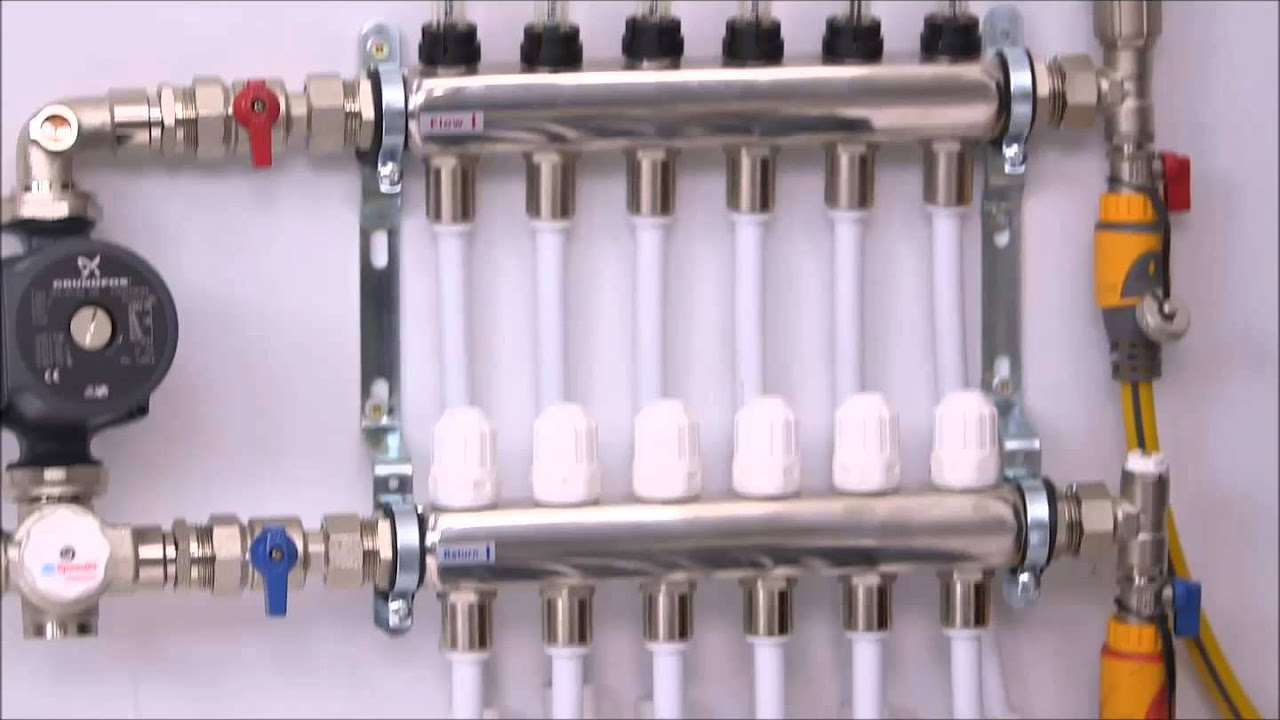
It is essential to evaluate your regional climate and readily available rebates to identify the best choice for your particular needs.
Radiant Floor Heating
Radiant floor heater can supply you with 25% higher thermal convenience compared to standard heating approaches, all while reducing your energy costs by 10-20% and offering long-lasting savings. These systems operate by distributing warm water or electric heat through pipelines or mats installed beneath the flooring, developing a comfy living environment.
Installation costs normally range from $6 to $15 per square foot, depending upon the type and complexity of the system. If you are thinking about a do it yourself technique, starting with a smaller area, such as a restroom or kitchen, can be both manageable and cost-efficient.
There are packages offered for under $500 that simplify the setup procedure, enabling you to delight in the advantages of even heat distribution without sustaining substantial labor costs.
Regular Maintenance and Monitoring
Regular maintenance is vital for making the most of the efficiency of your heating system, adding to reliable heating services. A correctly maintained system can consume to 15% less energy, resulting in substantial expense savings and enhanced performance.
Scheduling Expert Check-Ups
Scheduling professional check-ups for your heating system at least once a year can assist guarantee it runs optimally, typically extending its life-span by as much as 5 years and optimizing its heating efficiency. Throughout a HVAC inspection, you can expect the technician to assess different parts, including the thermostat, ducts, and fuel supply. They will search for indications of wear and tear and might clean up the filters to boost efficiency.
To take full advantage of the benefits of your service, plumber Ellesmere Port think about asking the following questions:
- What are the most immediate maintenance requirements, consisting of any needed radiator upgrades? How typically must I replace filters? Can you explain any problems in easy terms?
Additionally, it is advisable to request an approximated expense for any needed repair work or upgrades, which will assist you prepare your spending plan effectively.
DIY Maintenance Tips
Simple DIY upkeep jobs, such as changing air filters every 1-3 months, can boost system efficiency by up to 15% and enhance air quality, supporting energy conservation. Plus replacing filters, you need to think about these 5 necessary maintenance jobs:
Clean the vents to guarantee unblocked air flow, which can be effectively accomplished utilizing a vacuum attachment. Clear any particles from the heater to avoid overheating. Inspect the thermostat, ensuring proper heating controls and making certain it is adjusted correctly for precise temperature level readings. Listen for any uncommon noises, as they may show underlying issues. Use high-efficiency MERV 13 filters for optimal air purification, easily available at many home enhancement stores.Regularly performing these tasks can significantly lengthen the life expectancy of your heating and cooling system.
Frequently Asked Questions
Can I upgrade my heating system without replacing my boiler as part of energy-efficient upgrades?
Yes, there are a number of methods to update your heating system without having to replace your boiler, offering affordable options. This can save you time and money, while still improving the effectiveness and efficiency of your heating system.
What are some ways to upgrade my heating system without changing my boiler, including heating technology improvements?
Some options consist of updating your thermostat, adding zone controls, or installing a heat recovery ventilation system. You can also enhance insulation and sealing in your home to reduce heat loss and enhance the efficiency of your present boiler.
Will upgrading my heating system without changing my boiler save me money?
Yes, updating your heating system without changing your boiler can lead to expense savings. By enhancing the effectiveness of your heating system, you can reduce energy consumption and lower your heating bills.
Is it possible to update my heating system without professional help?
While some upgrades can be done on your own, it is constantly recommended to seek professional setup and specialist services when making changes to your heating system. They can assess your particular circumstance and make the most suitable and reliable upgrades.
How can updating my heating system without replacing my boiler improve my home's comfort?
By upgrading your heating system, such as integrating zoning systems, you can guarantee that your home is heated equally and regularly, getting rid of cold areas and drafts. This can greatly improve the overall comfort of your home.
Will upgrading my heating system without changing my boiler increase the value of my home?
Yes, making upgrades to your heating system, like innovative heating diagnostics, can increase the worth of your home. It shows that the system is well-maintained and can potentially draw in purchasers trying to find a more effective and comfortable home.